Culture lives here...
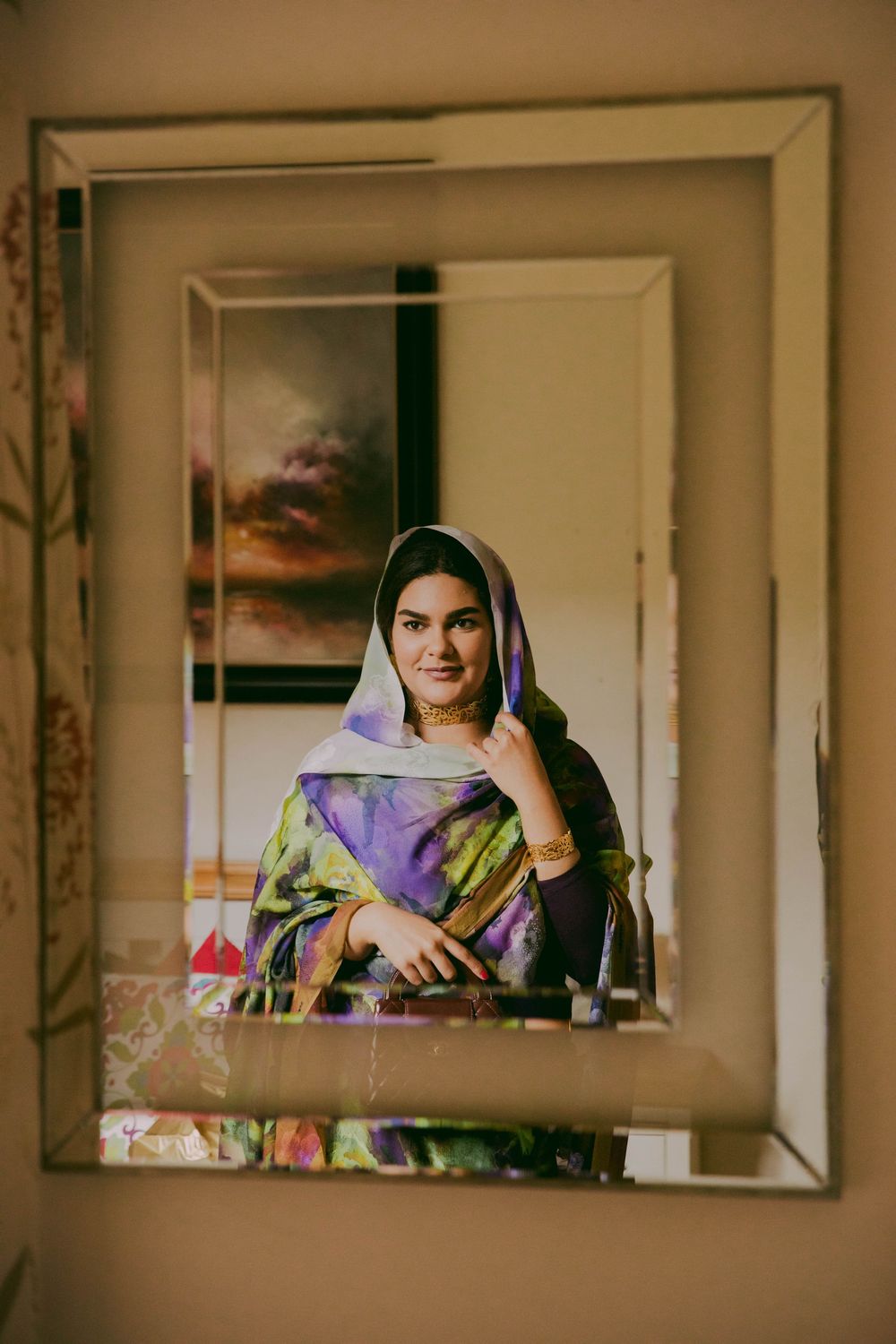
On a grey February afternoon in Felinheli, I arrived at Iman and Tarig Abdalla’s home with my camera. I had come to photograph a fashion shoot. What unfolded felt closer to testimony - as silk lifted and settled, culture and craftsmanship met quietly in a room...
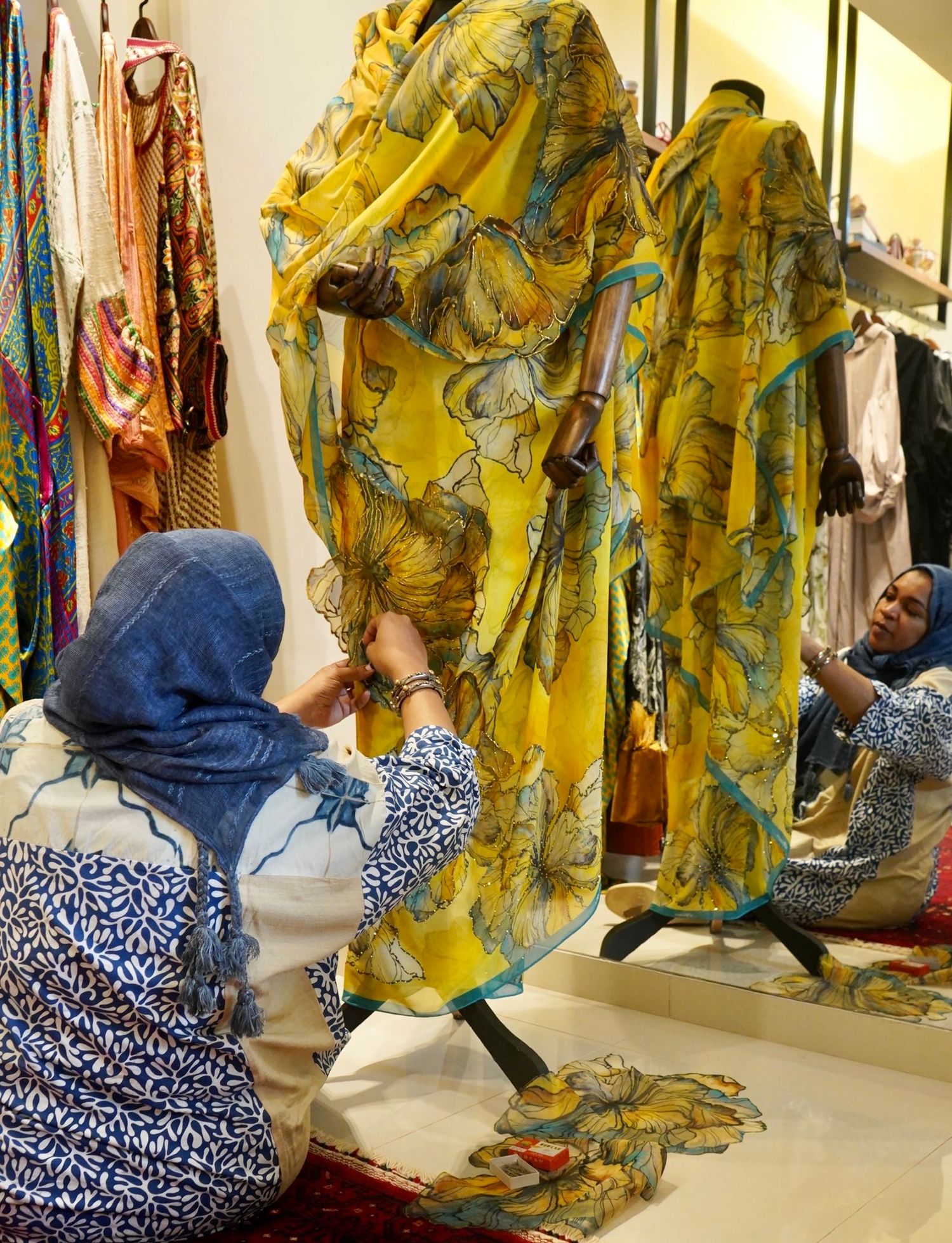
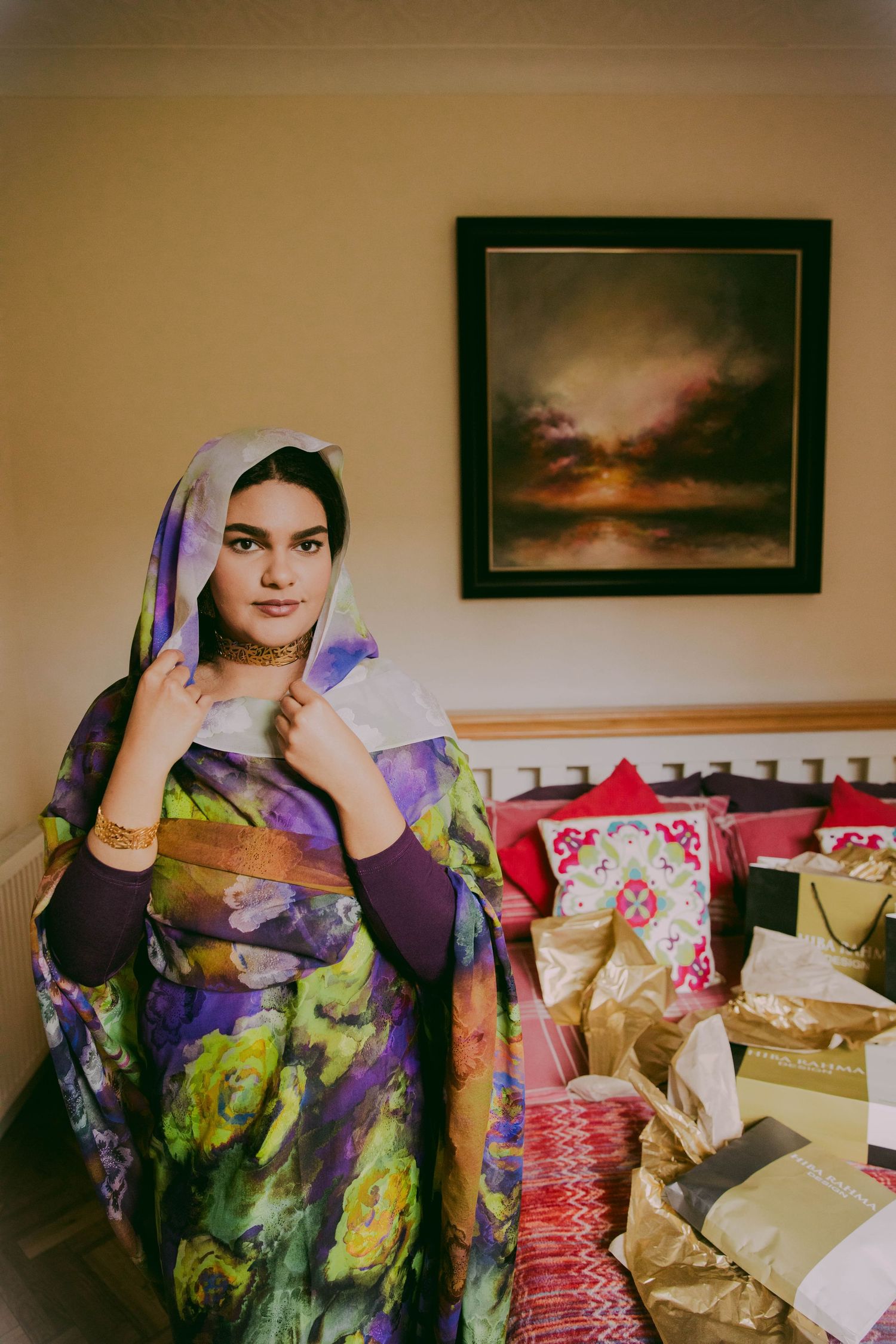
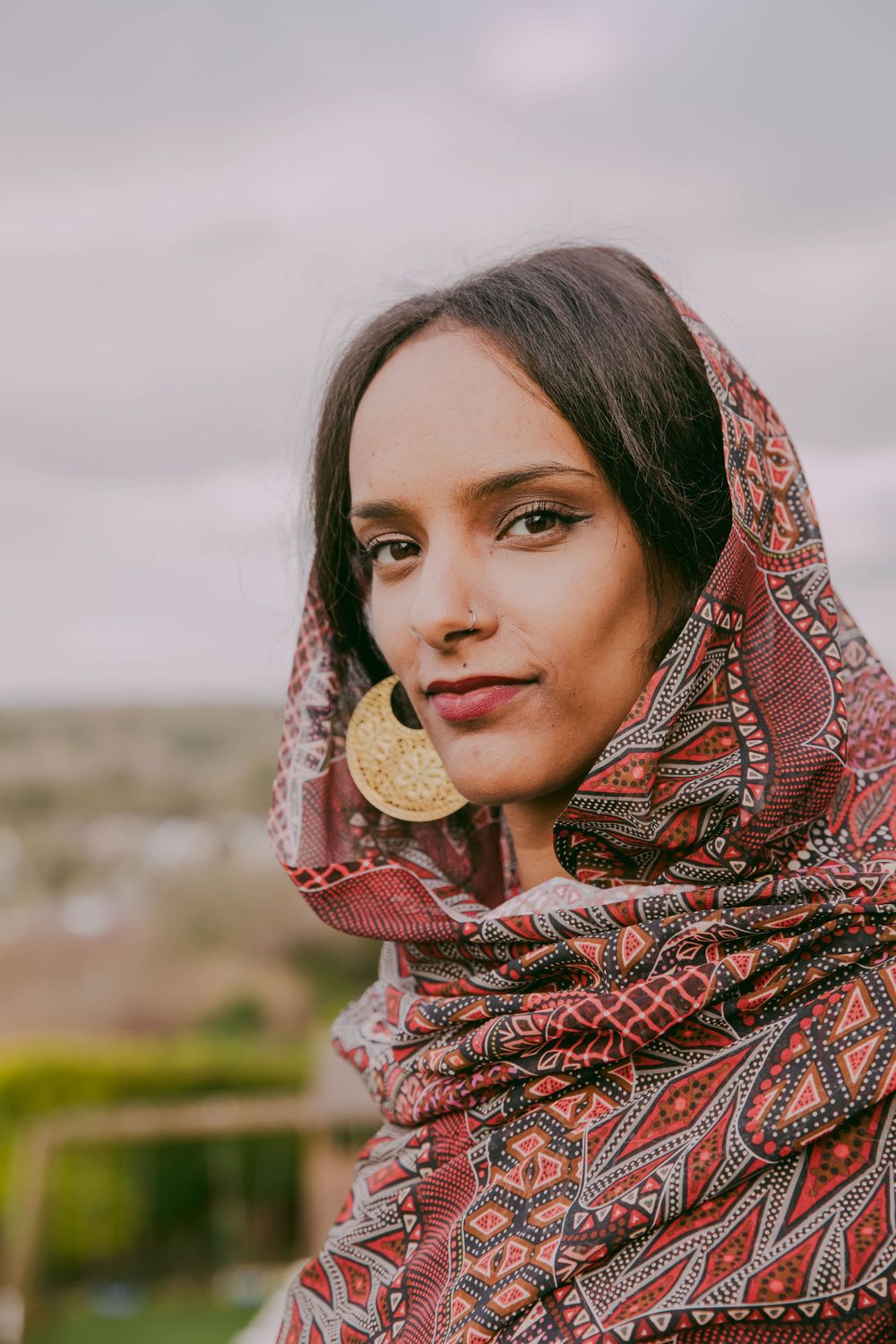
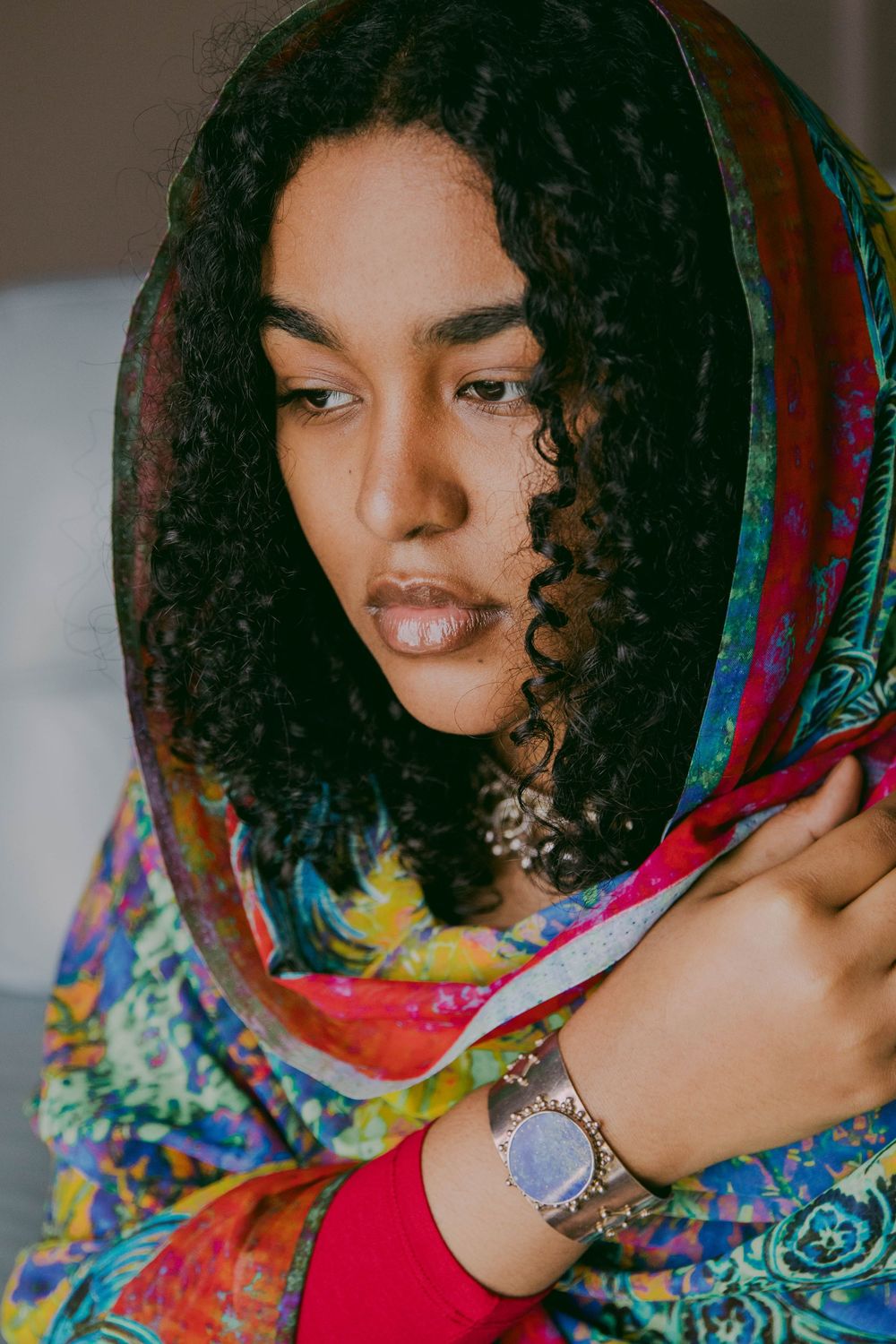
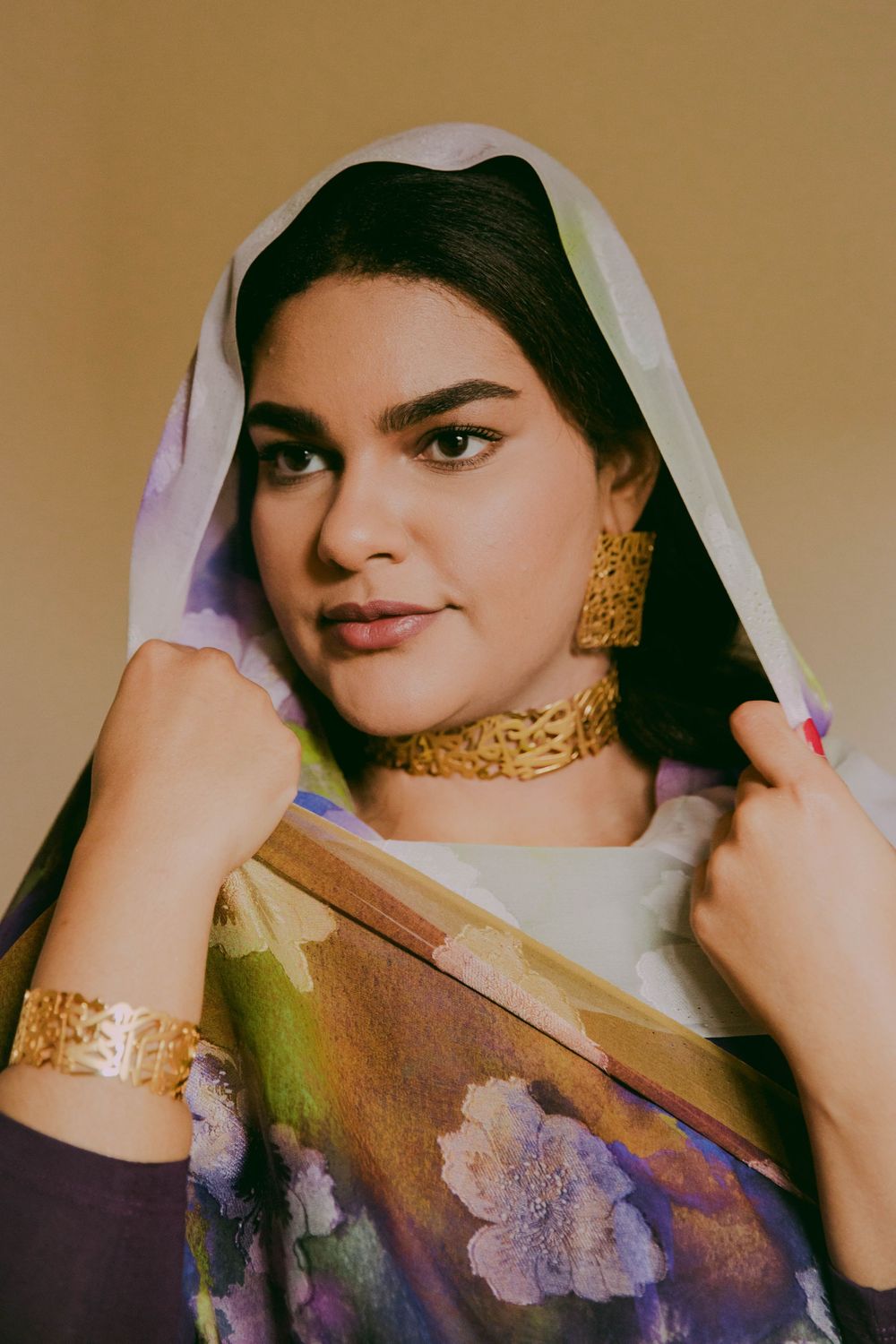
Designer Hiba Rahma began making toubs in Sudan in 2010, building a celebrated fashion business in collaboration with Italian textile houses and honouring the elegance and resilience of Sudanese women. In April 2023, war destroyed her Khartoum showroom and more than a decade of work. She relocated to Scotland with her husband and young daughter and began again.
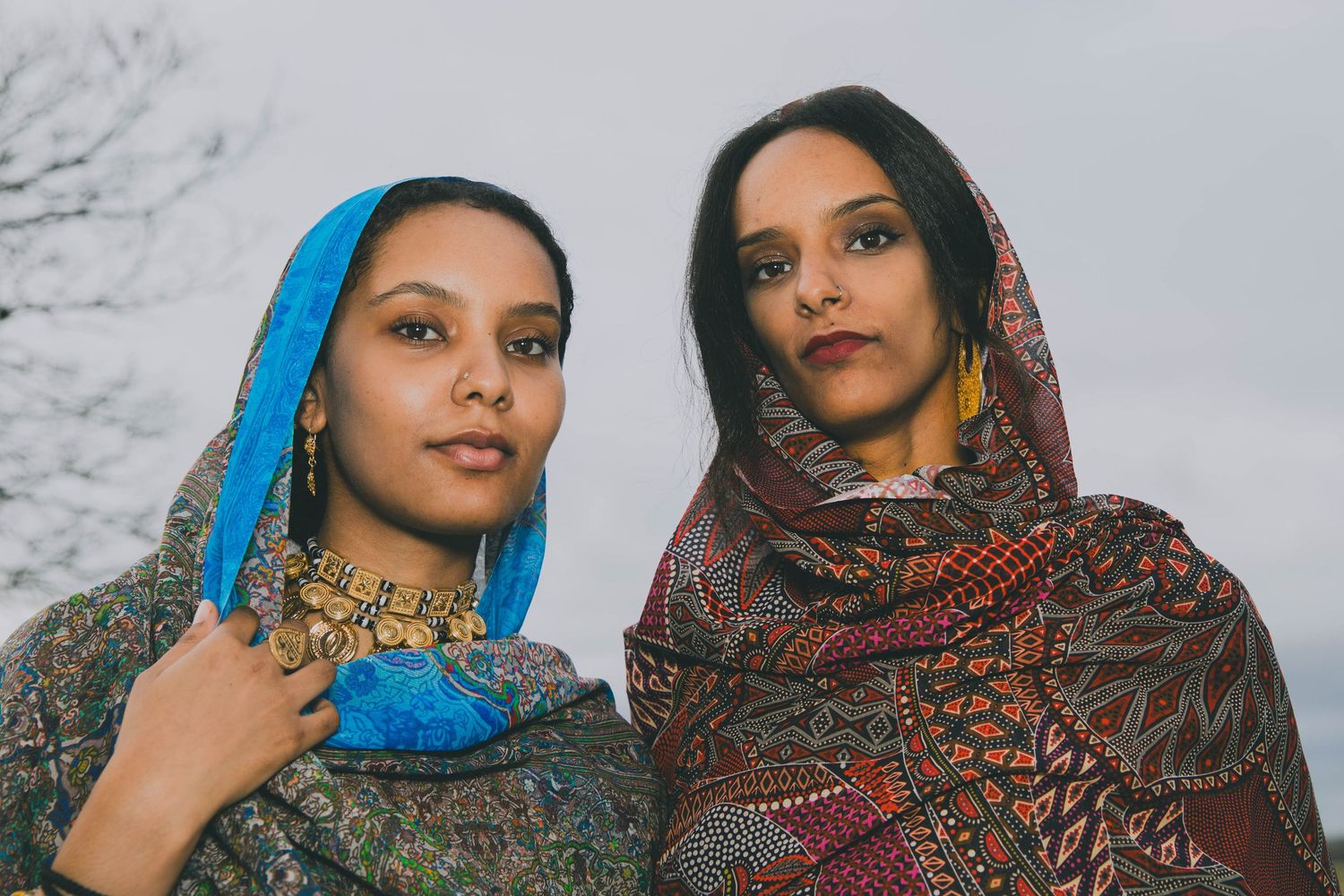
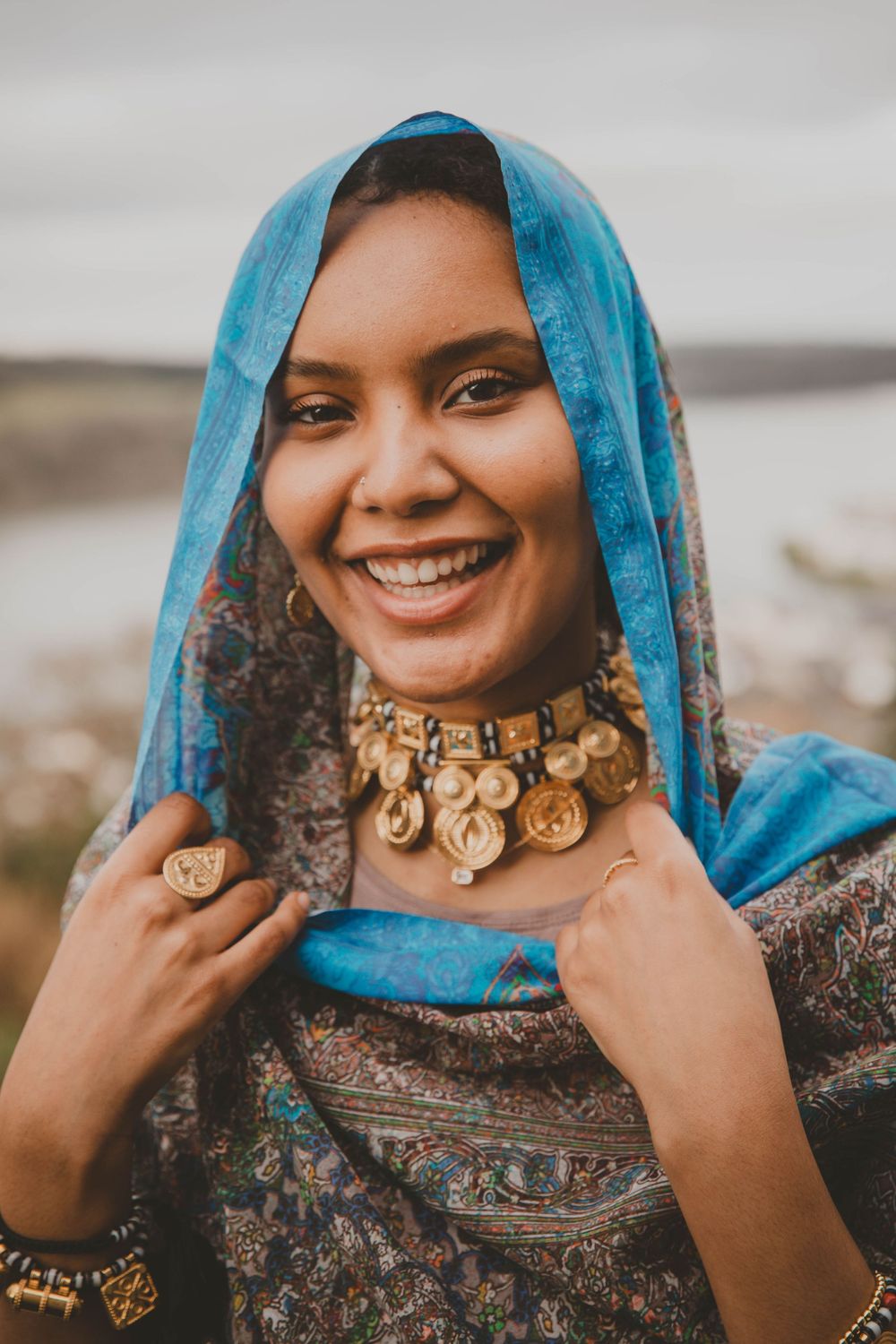
That act of beginning again ran quietly through the day. It shimmered in the jewellery layered over the silk - striking pieces by Sudanese designer Nisreen Kuku, now rebuilding in France, each one shaped by displacement yet rooted in tradition, a testament to resilience, continuity and the persistence of craft across borders.
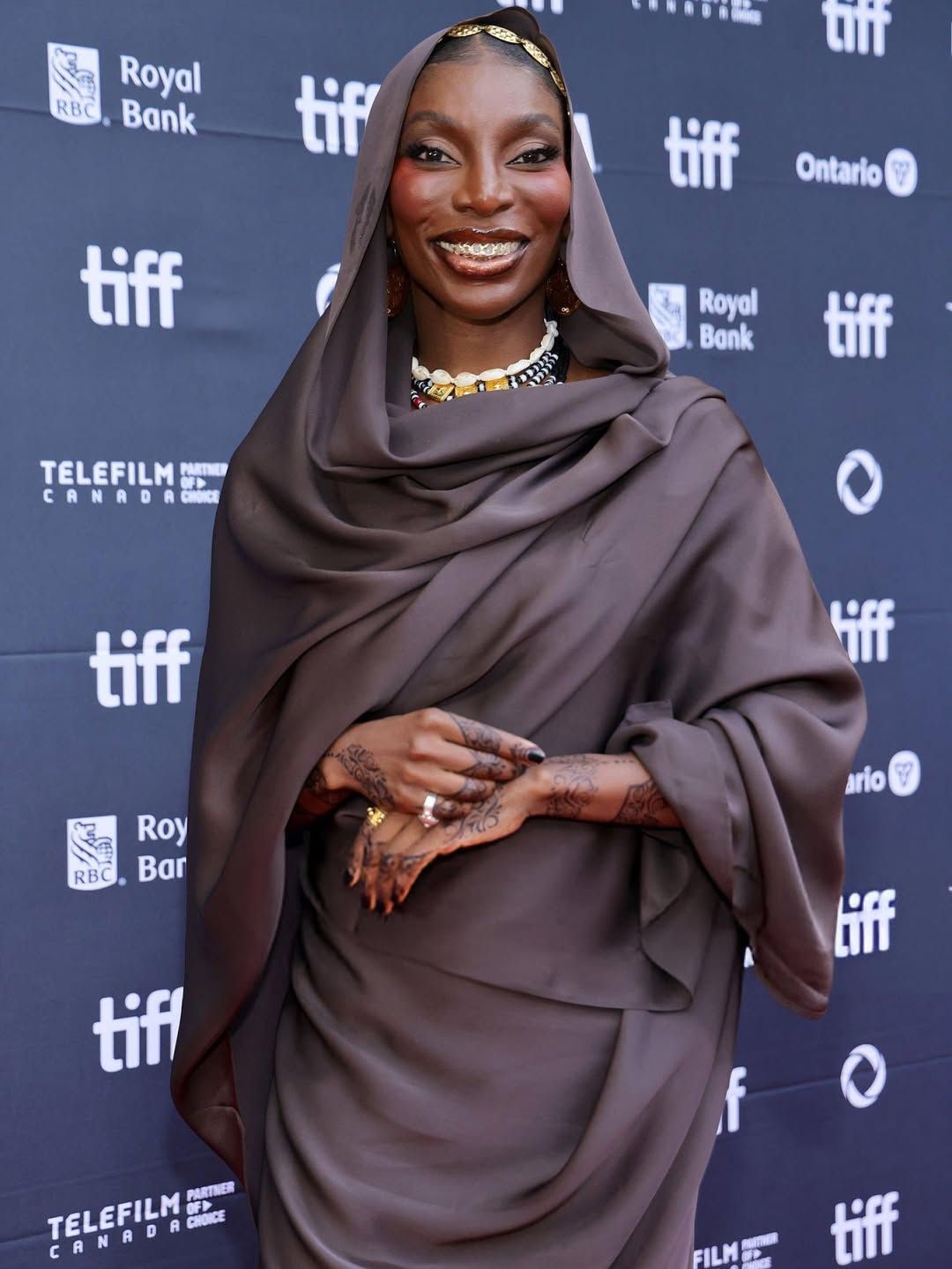
Hiba’s reputation travelled ahead of her; she is widely known within the diaspora, with Michaela Coel having worn her designs to the 2025 International Film Festival, paired with gold jewellery by Kuku, a tribute to Sudanese woman.
There was anticipation as each woman arrived. Iman, who offered her home, was not simply hosting - she was holding space.
Iman came to North Wales in 1996, pregnant with her eldest daughter, Allaa, joining her husband while he completed attachment training at Ysbysty Gwynedd. Before it ended, he was offered a permanent role. What was meant to be temporary became a life, strengthened by a close Sudanese community stretching across North Wales.
A second daughter, Noone, followed. Both girls grew up speaking Welsh not as achievement but as inheritance, their voices moving easily between Welsh, Arabic and English. I hadn’t realised it at first, but that day I learned I had photographed Allaa more than a decade ago for her school prom. When she greeted me by name, it was a small exchange that echoed through the room, a lovely reminder of continuity.
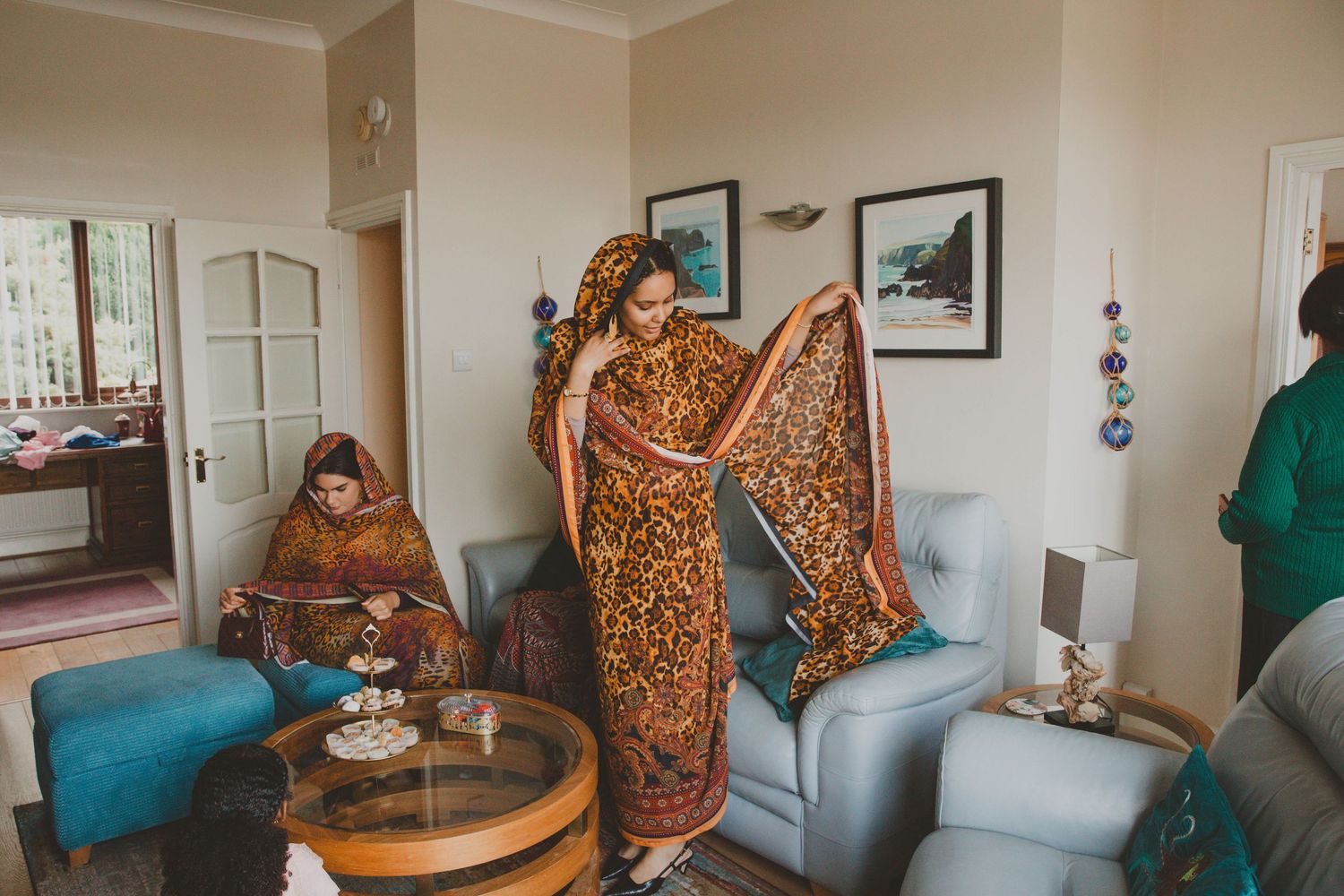
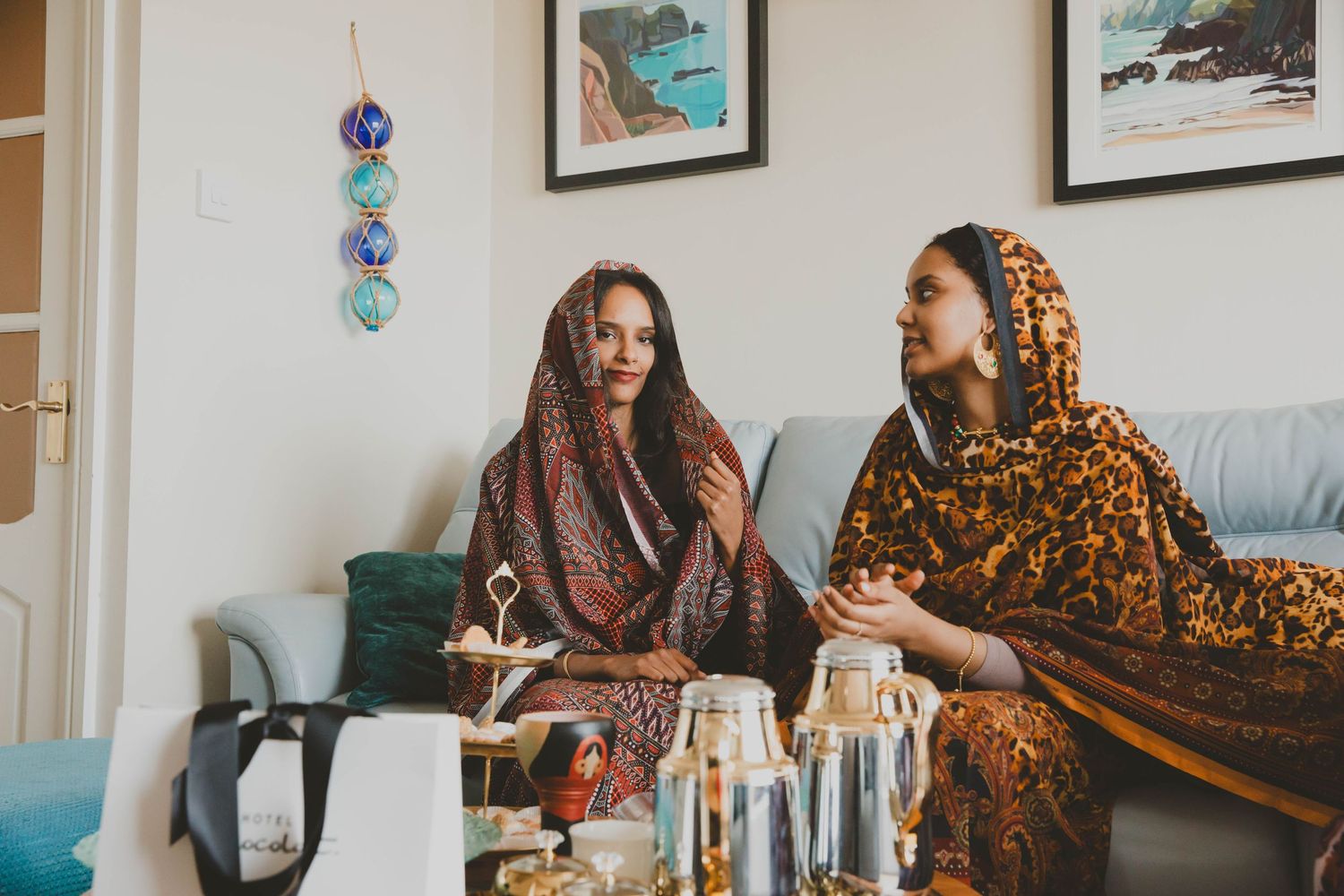
Allaa and Noone had travelled from Manchester and London to model, joined by Aya Hashim, raised in Holyhead before moving south, and Siham from Colwyn Bay and Noore who studies design engineering at Bangor University, following in the footsteps of her cousin, wildlife cameraman and broadcaster Hamza Yassin, a Bangor graduate who won the twentieth series of the BBC's Strictly Come Dancing!
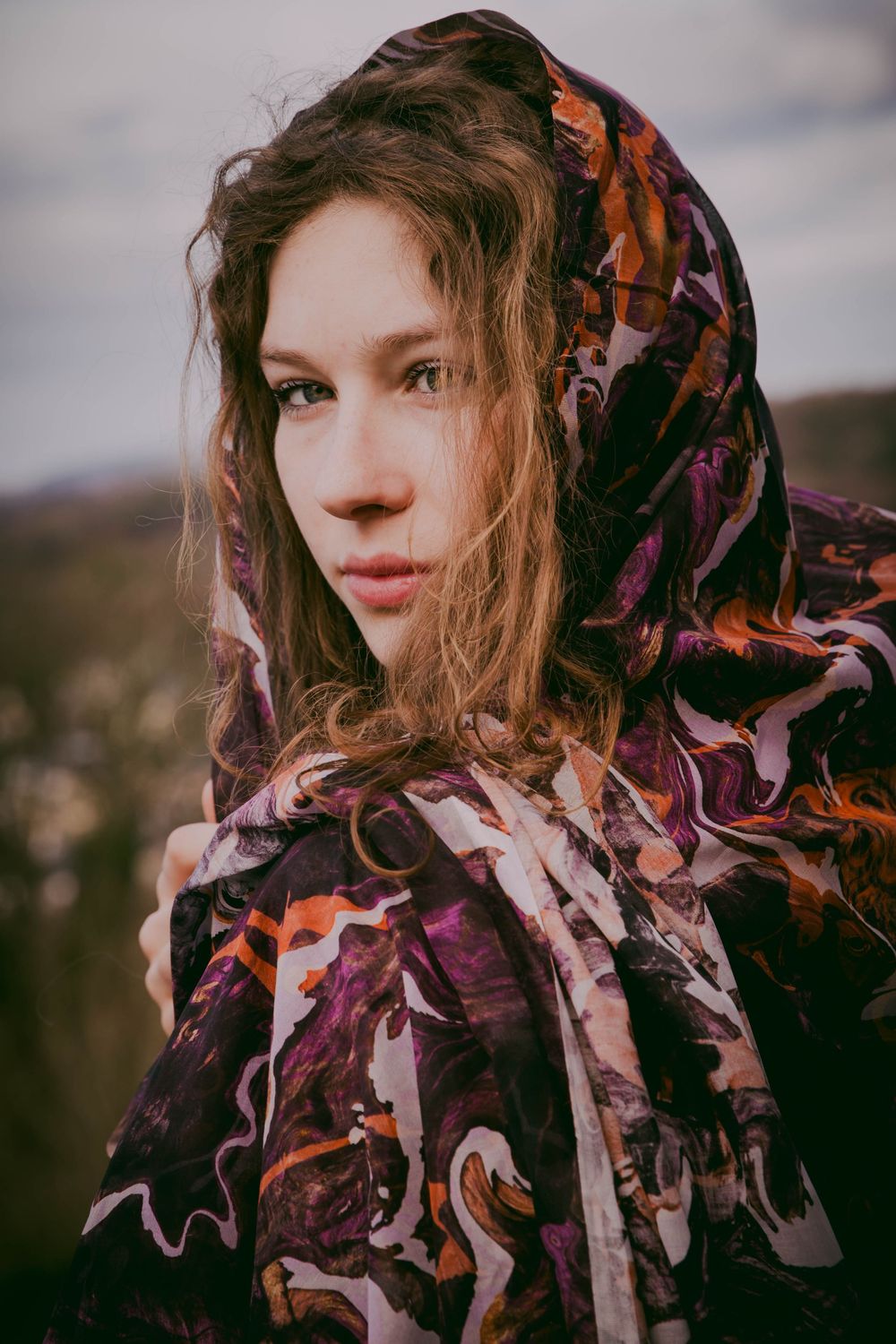
It was quite something to watch this network take shape in real time - a web of women connected by fabric, language and shared ground. Among them stood my own daughter, Rosie - so warmly welcomed, wrapped in silk, another quiet thread stitching together family and home…
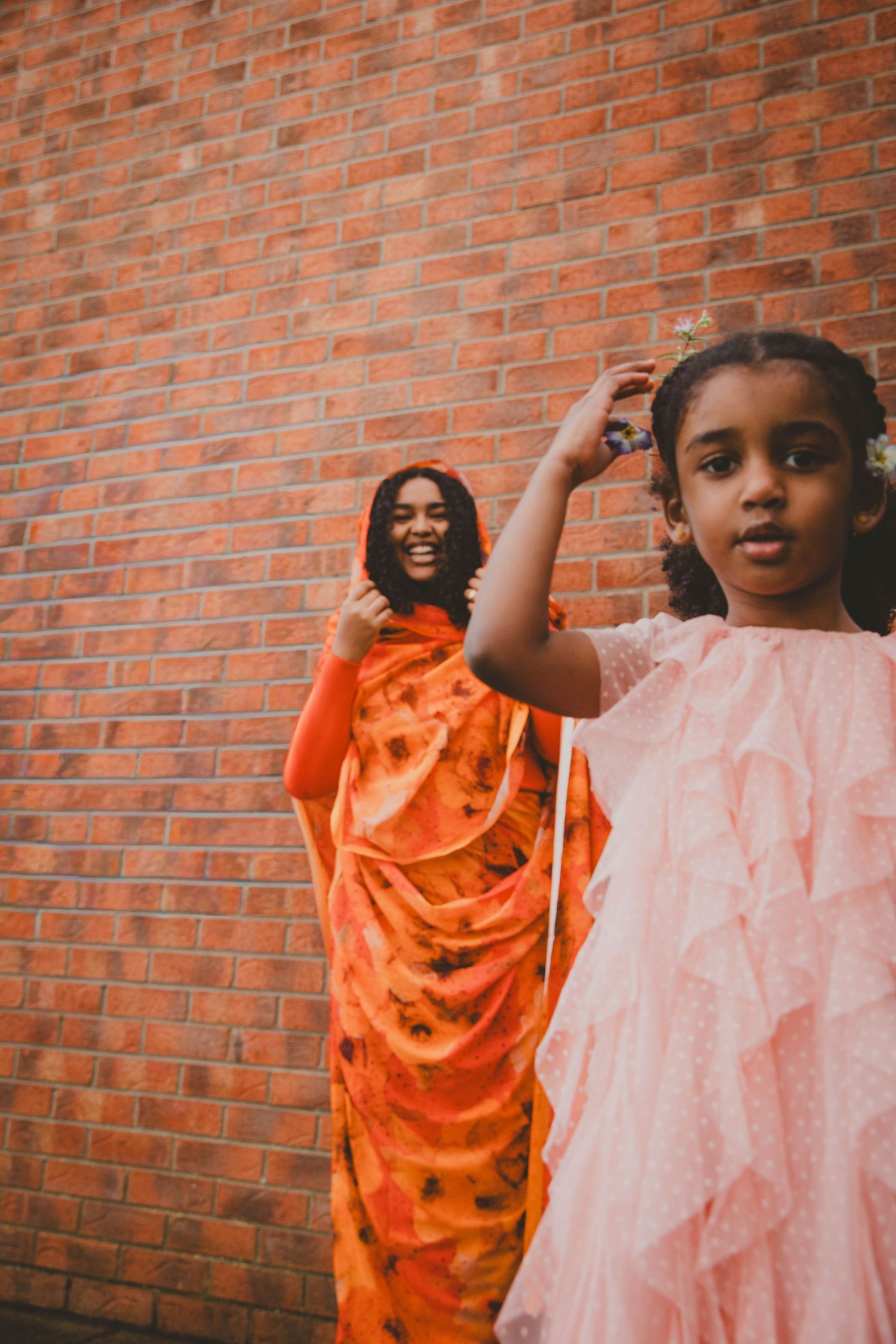
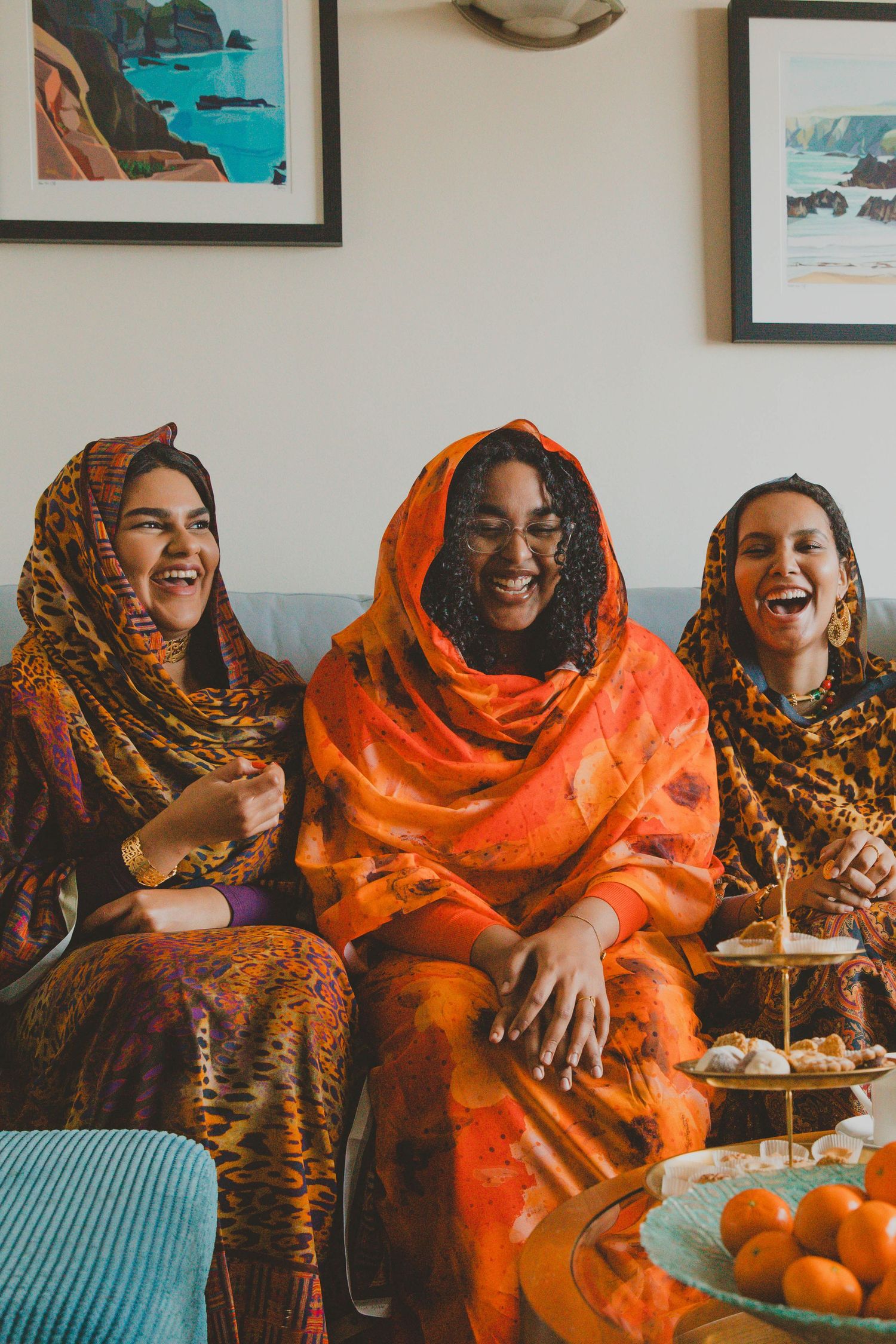
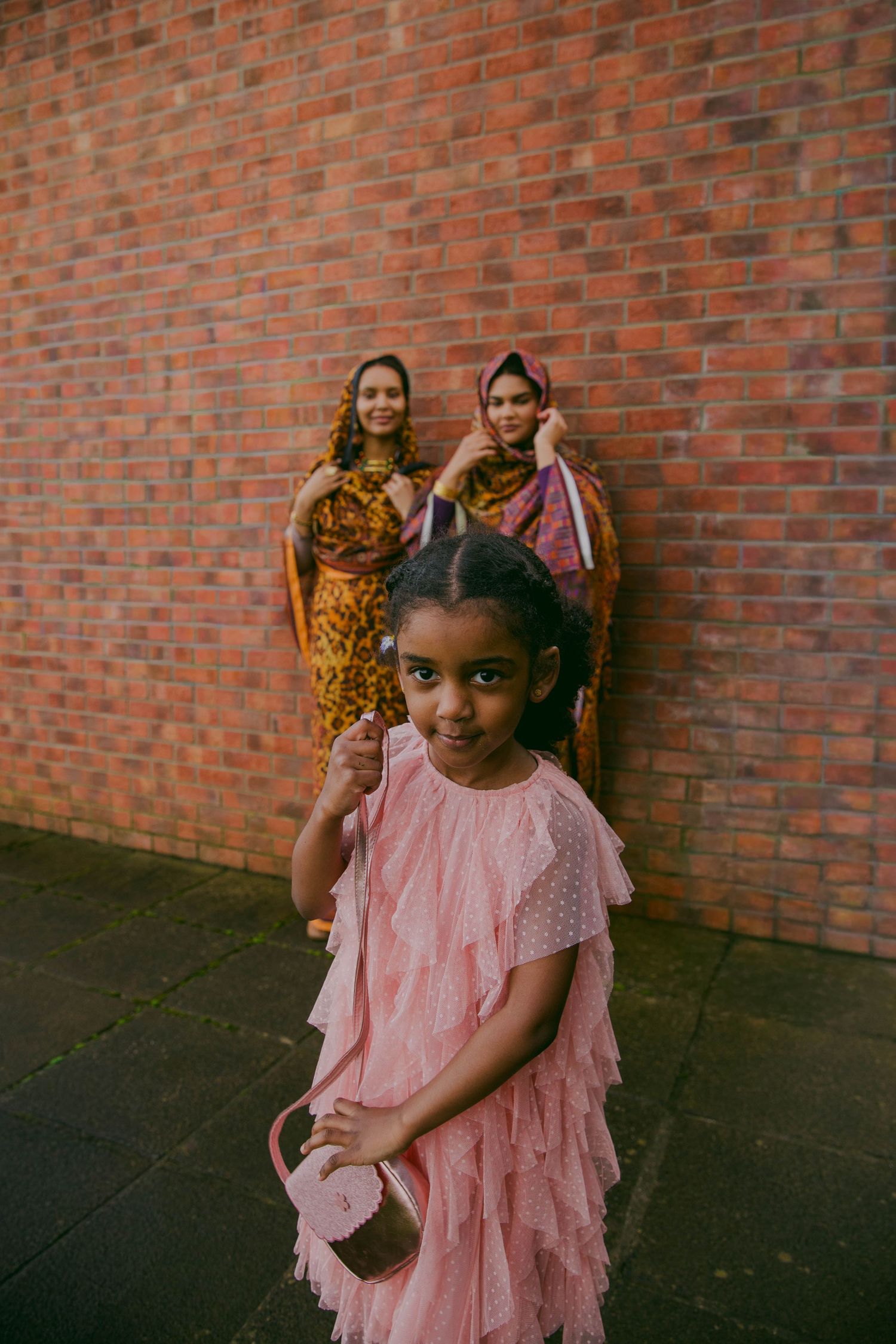
Photographing it felt like a gift. As I stepped back from the lens, what I saw was not contrast, but cohesion.
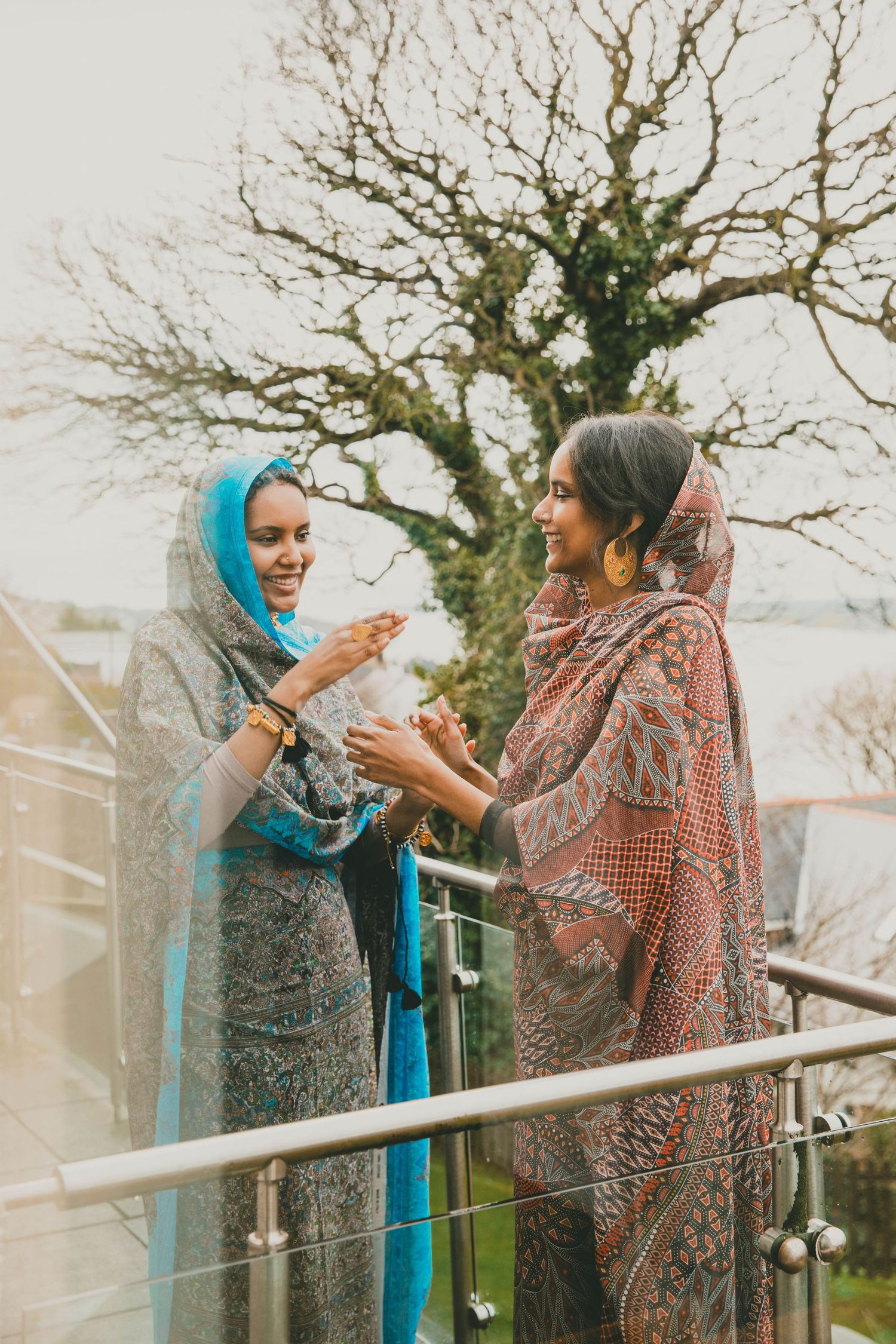
The Welsh weather offered its usual drama - brooding skies, softened light shifting across the Menai Straits and the silk seemed to breathe in it.
These were pieces from Hiba’s latest haute collection: structured and luminous, works of art. The models were extraordinary - generous with their time, their trust, their presence and working with them felt effortless. Watching Rosie among them, six foot tall, blonde and welcomed without hesitation.
When I later shared the photographs, their response was immediate and warm. They saw themselves in them. And I felt it too.
I reflected again that this was more than a shoot; it was community in motion. It unfolded in a family home alive with colour and conversation. Arabic, Welsh and English overlapping.
Outside that living room, public conversation too easily slips into division, circling endlessly around belonging as though it were fragile, conditional.
Inside, it was something stronger, weaving its own story.
One of integration and collaboration.
Of daughters raised.
Of sisterhood.
Of craft and creativity.
Of survival.
Of loss.
Of love.
This is not an exception in Britain.
It is Britain - culture lived in our homes, carried in the fabrics we wear, the languages we speak, and the pride in our heritage that travels with us.
Culture lives here.
© Lucy Devereux 2026
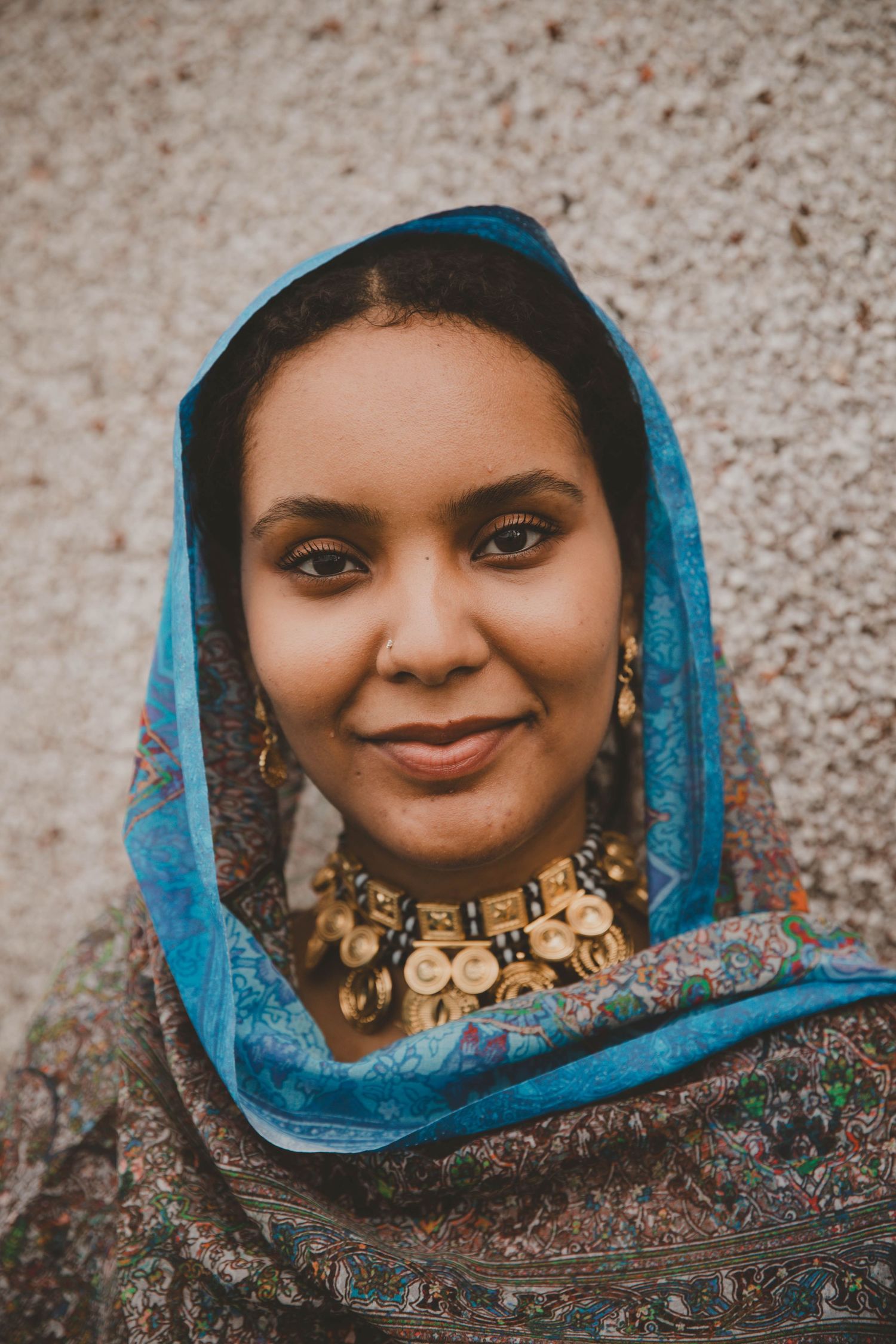
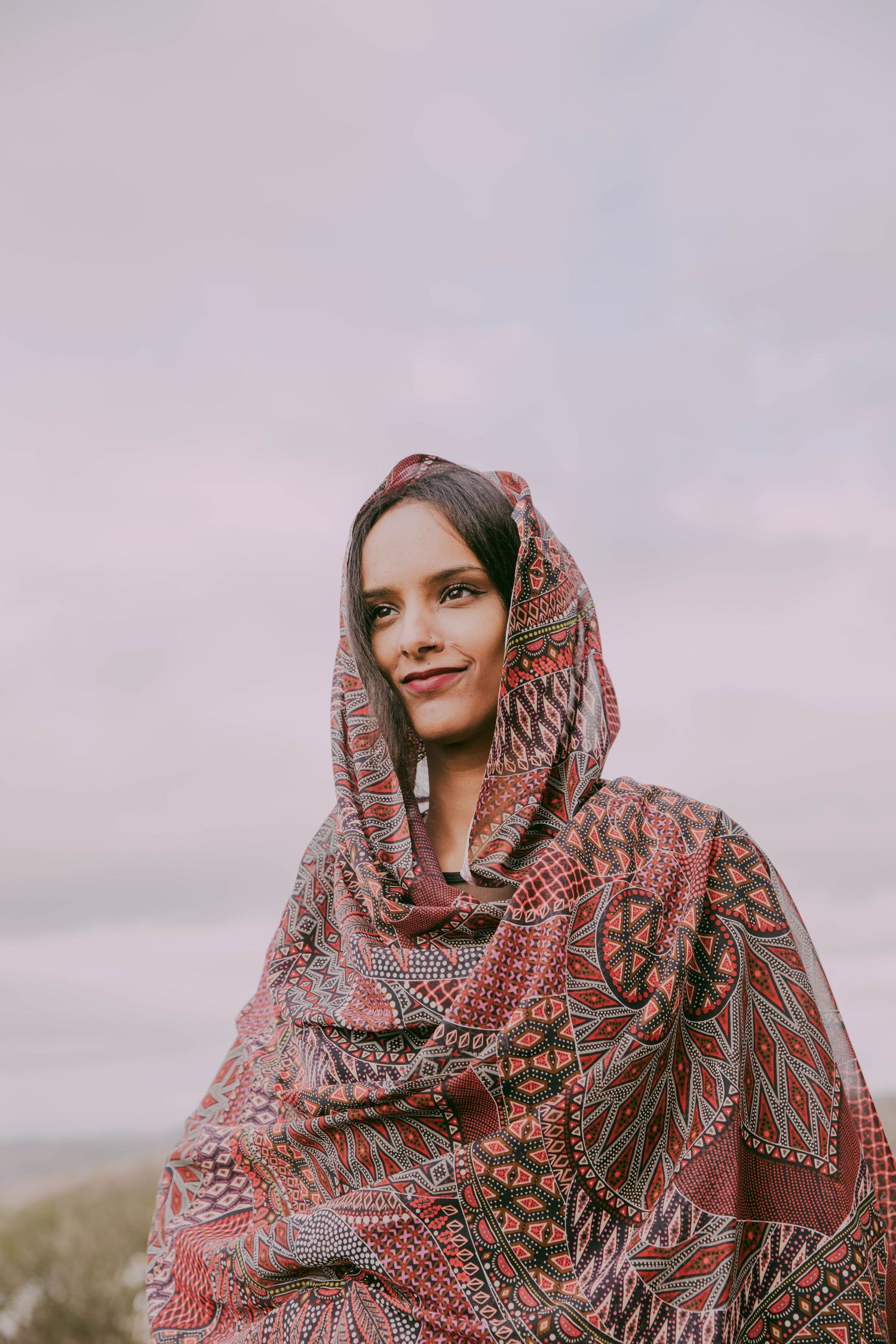
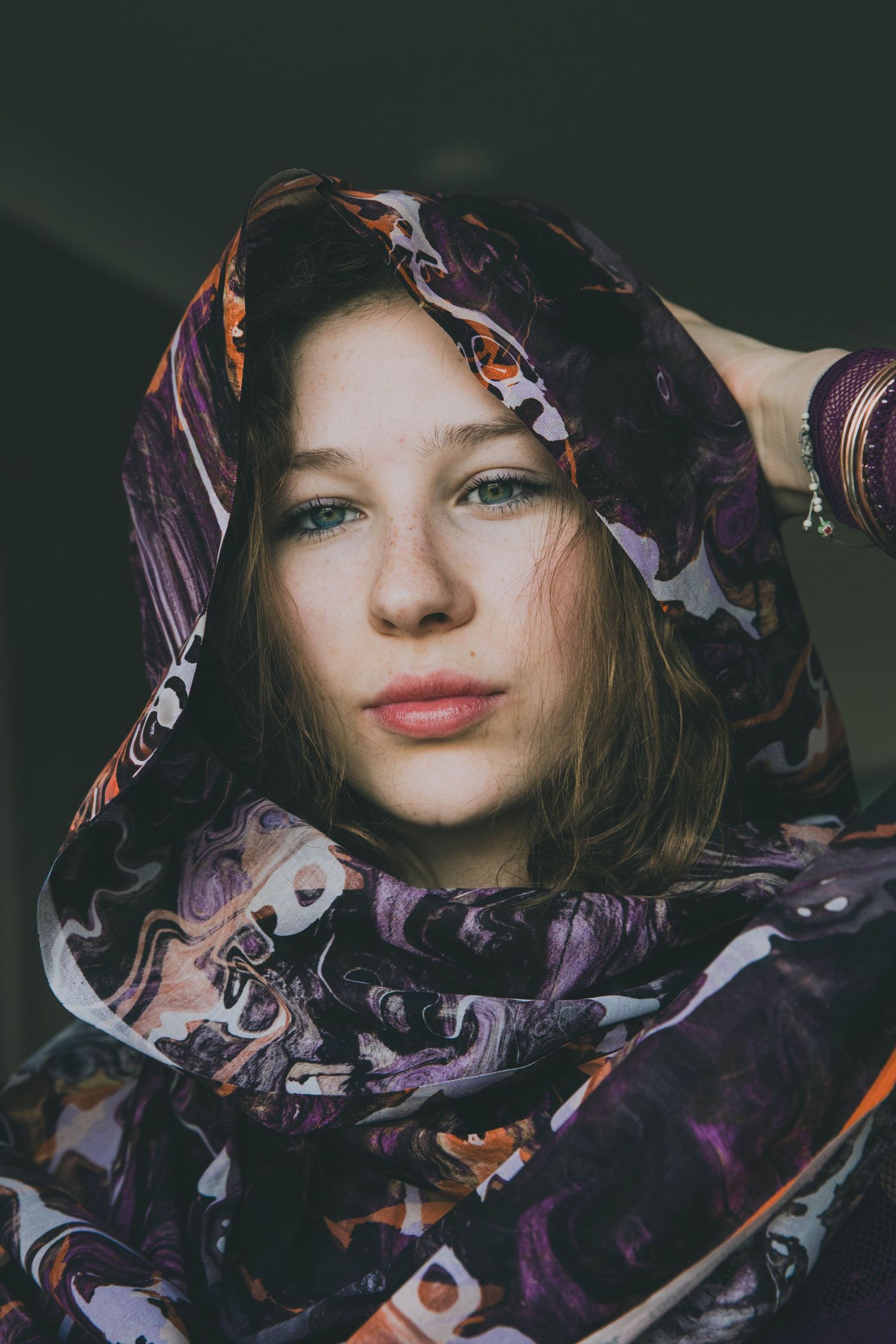
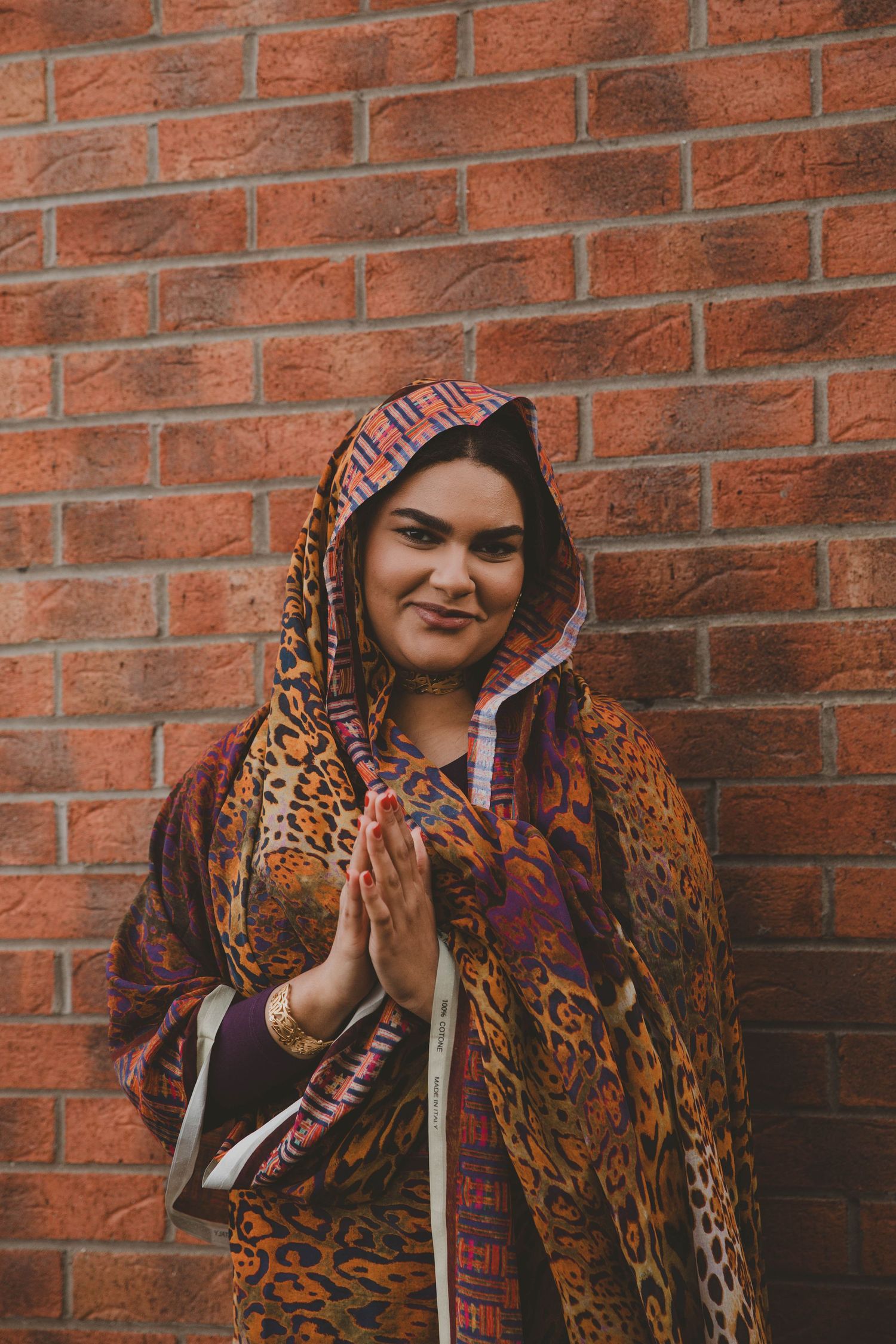
“Sudanese women have been on the frontlines of every revolution in Sudan—2019 was even called a women’s revolution. I’m inspired by their resilience and determination, and wanted to pay tribute to them and help give their stories a platform for recognition,”
“The toub made me feel elegant and powerful,” she says. “I chose espresso because dark-skinned women face prejudice and persecution in Sudan. The color is beautiful, and this hue needs to be seen as such.” Coel
https://www.vogue.com/slideshow/michaela-coel-2025-tiff-diary